
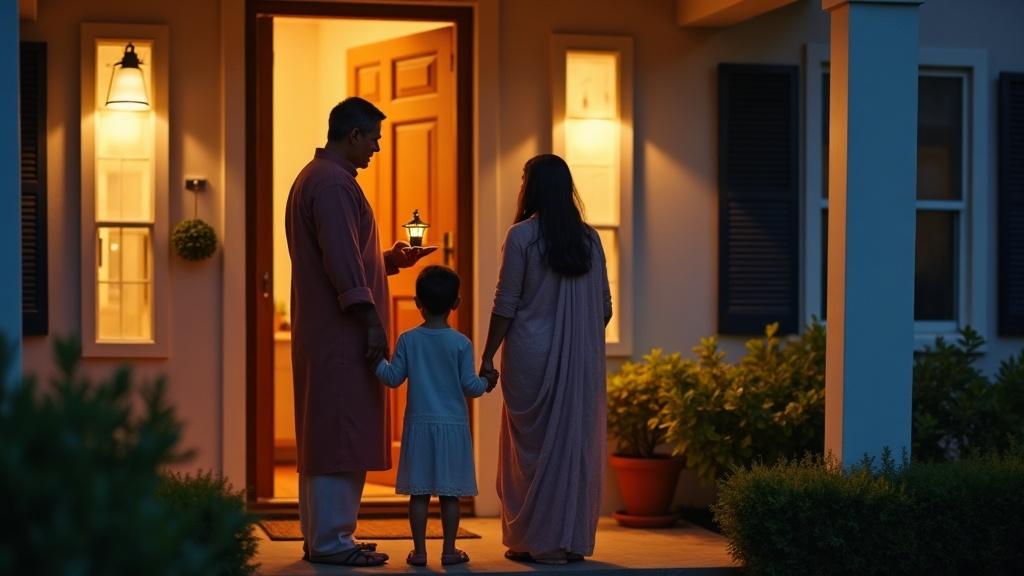
Griha pravesh is the ceremony of entering a new home for the first time. In Vedic tradition, the moment you cross the threshold establishes a relationship between the dwelling and its occupants, and choosing an auspicious muhurat is believed to support harmony and well-being. For families in North America, this often means coordinating panchang calculations with lease dates, mortgage closings, and work schedules across time zones.
The principles come from muhurta shastra, the branch of jyotish concerned with electional astrology. Unlike natal astrology, which reads a birth chart, muhurta constructs a chart for an event. The idea is that the planetary arrangement at the moment of entry influences the house as a living entity.
Panchang Elements for Griha Pravesh
Five panchang components are examined when selecting a griha pravesh muhurat.
| Element | Favorable Choices | Avoided Choices |
|---|---|---|
| Tithi | Pratipada, Panchami, Dashami, Ekadashi, Trayodashi | Amavasya, Chaturthi, Navami, Chaturdashi |
| Vara | Monday, Wednesday, Thursday, Friday | Tuesday, Saturday, Sunday (debated) |
| Nakshatra | Ashwini, Pushya, Hasta, Uttara Phalguni, Uttara Ashadha, Uttara Bhadrapada, Revati | Bharani, Krittika, Ardra, Ashlesha, Mula, Jyeshtha |
| Yoga | Siddha, Amrita, Brahma, Indra | Vyatipata, Vaidhriti |
| Karana | Bava, Balava, Kaulava, Taitila, Garija | Vishti (Bhadra) |
The waxing moon, shukla paksha, is generally preferred. Some families wait for Uttarayana, the sun's northward course from mid-January to mid-July, though this is not universally required.
Planetary Positions and the Ascendant
The rising sign, lagna, at the moment of entry should be strong and unafflicted. Jupiter or Venus in a kendra, angular house, or trikona, trine, is considered supportive. Mars in the fourth house is traditionally avoided, as the fourth represents the home itself.
Mercury retrograde does not carry the same weight in Vedic electional astrology as it does in Western practice, but some families prefer to avoid it. Saturn transiting the moon sign, sade sati, in the natal chart of the head of household is not by itself a bar to griha pravesh; the muhurat chart stands on its own.
Schools differ on whether to prioritize the panchang or the planetary chart. Conservative practice layers both; pragmatic practice accepts a sound panchang when the full chart cannot be perfected.
Regional and Sectarian Variations
North Indian traditions often emphasize nakshatra and tithi. South Indian practice may give more weight to the hora, planetary hour, and the position of the moon. Bengali families sometimes perform griha pravesh on Vijaya Dashami regardless of other factors, treating the festival day as inherently auspicious.
Amanta and purnimanta lunar month reckonings can shift a tithi by a day. If you are consulting a pandit remotely, confirm which system they use and whether the panchang is drik, astronomical, or vakya, traditional.
Vastu and the Ceremony Itself
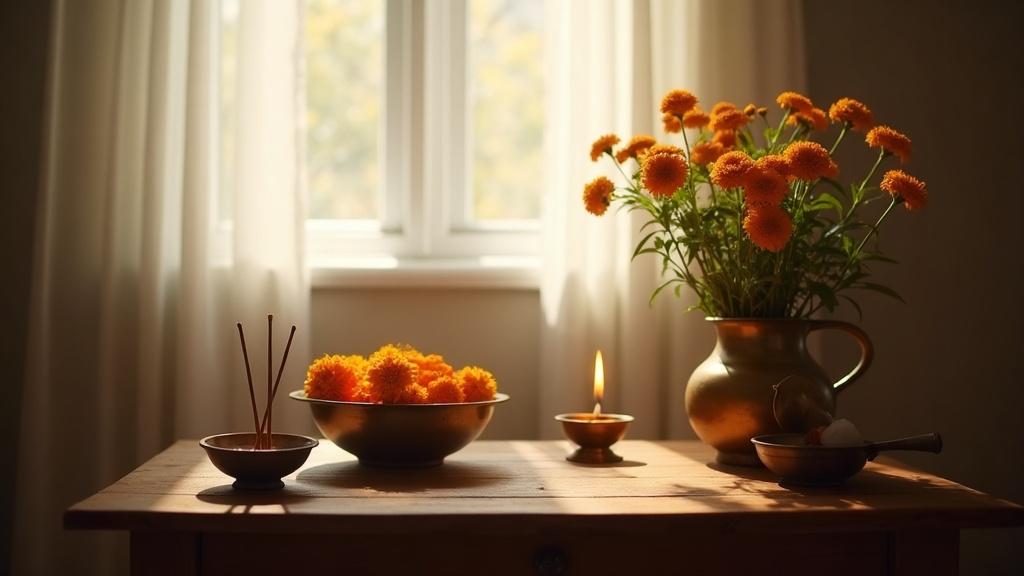
Griha pravesh is often performed in conjunction with vastu considerations. Some families arrange for a vastu consultation before choosing the muhurat, ensuring that the main door orientation, kitchen placement, and sleeping directions align with traditional guidelines. The ceremony itself usually includes lighting a lamp, boiling milk until it overflows to symbolize abundance, and offering prayers at a temporary or permanent altar.
In an apartment building, the threshold is the door to your unit, not the building entrance. If you have already moved furniture in for practical reasons, the formal ceremony with family present is what counts.
Practical Constraints and Flexibility
Lease agreements and closing dates rarely align with ideal panchang windows. If the perfect muhurat falls on a weekday when you cannot take leave, or if elderly relatives cannot travel on short notice, tradition allows for flexibility. Some families perform a symbolic entry on the auspicious day, lighting a lamp and spending a few minutes inside, then move in fully over the following days.
Others prioritize the panchang for the ceremony and accept that boxes were unpacked earlier. The intention and the ritual matter more than rigid adherence when circumstances are difficult. Our muhurtham page offers tools for identifying candidate dates within a range you specify.
When Perfection Is Not Available
If no strong muhurat exists within your window, some traditions recommend entering during the day, avoiding the two sandhya periods at dawn and dusk when energies are said to be unstable. A simple prayer, even without an elaborate ceremony, is considered sufficient when done with sincerity.
No muhurat, however carefully chosen, replaces structural soundness, financial prudence, or kindness among the people who will live there. The ceremony is a beginning, not a guarantee.
Griha pravesh marks a threshold in more than one sense. It is the moment a house becomes your home, and choosing the day with care is one way to honor that transition.