
Palmistry and face reading are sisters. Both descend from Samudrika Shastra, the Vedic science of bodily marks, and both claim to read character, health and fortune from what is visible. Yet they look at different things, answer different questions, and serve different moments in a person's life.
Palmistry studies the lines, mounts and shape of the hand. Face reading examines bone structure, the eyes, the forehead, the mouth and the proportions between features. One changes quickly; the other hardly at all. Knowing what each tradition does well helps you choose the right tool for the question you are asking.
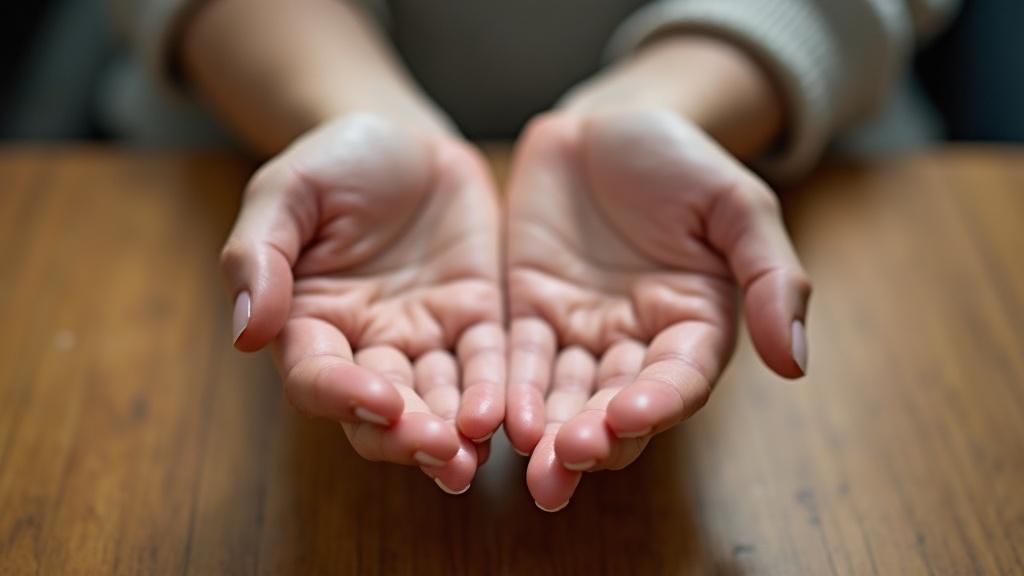
What palmistry reveals
The lines on the palm are not fixed at birth. They deepen, fork, fade and reappear as you live. The heart line reflects emotional patterns and relationships. The head line shows how you think and solve problems. The life line maps vitality and major changes in direction, not lifespan. The fate line, when present, traces career and public responsibility.
Palmistry is especially good at timing. A reader trained in the classical method can estimate when a marriage might occur, when a career shift is likely, or when health requires attention, by measuring distances along the major lines. Because the lines respond to choices, palmistry is a record of what you have done and are doing, not only what you were born with.
The mounts beneath each finger correspond to planetary influences and show where energy gathers. A pronounced Venus mount suggests warmth and sensuality. A strong Jupiter mount points to leadership. The shape of the hand itself, whether earth, air, fire or water, frames everything else.
What face reading reveals
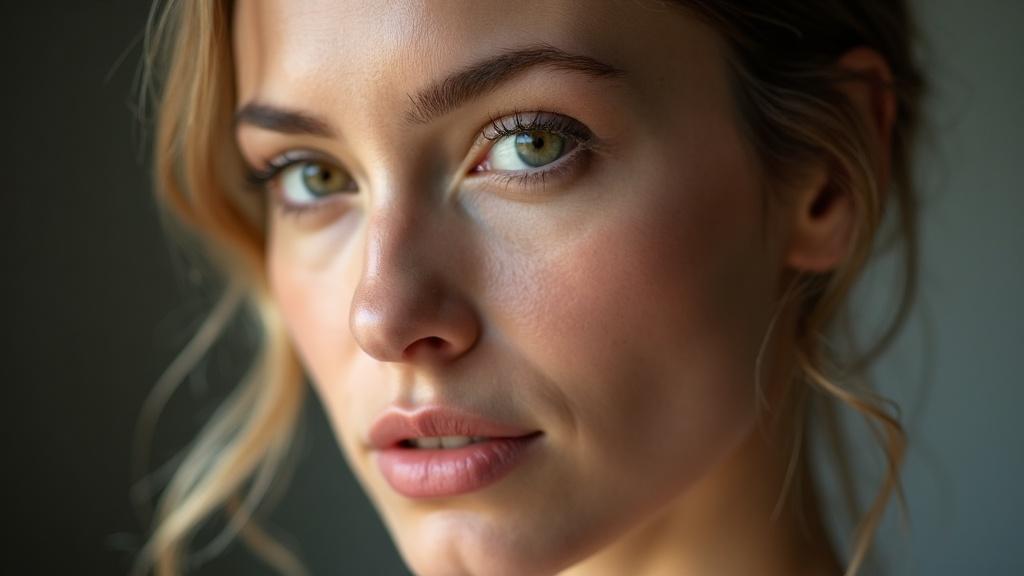
Your face changes far more slowly than your palm. Bone structure is inherited. The width of the forehead, the set of the eyes, the shape of the jaw, these are given. What face reading reveals is temperament, the grain of your nature, and the first impression you make on the world.
A broad forehead suggests intellectual capacity and a reflective mind. Deep-set eyes often belong to someone private and observant. A strong jaw indicates determination, sometimes stubbornness. The space between the eyebrows, called the palace of印堂 in Chinese physiognomy and similar in Indian traditions, is thought to reflect fortune and mental clarity.
Face reading also speaks to health. The colour and texture of skin, the brightness of the eyes, the firmness of the flesh, all these shift with diet, sleep, stress and age. A skilled reader notices what is structural and what is temporary.
Because the face is what others see first, face reading is especially useful for understanding how you are perceived in public life, in work, in first meetings. It is less useful for timing specific events.
Where the two traditions overlap
| Aspect | Palmistry | Face Reading |
|---|---|---|
| Timing of events | Strong | Weak |
| Inherited traits | Moderate | Strong |
| Current choices | Strong | Weak |
| Public perception | Weak | Strong |
| Health indicators | Moderate | Strong |
| Relationship patterns | Strong | Moderate |
Both systems look at symmetry and proportion. Both value balance. Both acknowledge that nothing is fixed, that remedies, discipline and awareness can shift outcomes. Neither should be used to predict disaster or to replace medical advice.
In practice, many traditional readers trained in Samudrika Shastra use both. A reading of the face establishes the foundation, the nature a person was born with. A reading of the palm shows what that person has made of it and what is unfolding now.
Which to choose for your question
If you are asking about career timing, a major decision point, or whether a relationship will deepen, palmistry is the better choice. The lines respond to intention and effort, and a good reader can show you where you are in the cycle.
If you are asking about your child's temperament, your own public presence, or inherited health tendencies, face reading offers more. It names what is given and helps you work with it rather than against it.
If you are simply curious about yourself, both are worth exploring. Many people find that a palm reading feels more personal, because the lines are theirs alone. A face reading feels more ancestral, because the features echo parents and grandparents.
Golden Kundli offers both services, along with Vedic astrology, numerology and vastu. You can begin with a free Kundli to see your birth chart, then add a reading that suits the question you are holding. The products page lists what is available and how each works.
Practical notes for North American seekers
Both palmistry and face reading were developed in climates and cultures where people worked outdoors, ate seasonally, and lived in extended families. Translating these systems to an apartment in Toronto or a suburb in New Jersey requires adjustment.
Your hands may be softer than those of your grandparents because you do not farm or cook over fire. Your face may show the effects of indoor heating, screen time and a diet your ancestors never ate. A good reader accounts for this and does not mistake a modern condition for a classical sign.
Neither tradition requires you to believe anything. You are free to take what rings true and leave the rest. The value is in the conversation, the noticing, the chance to see yourself through a lens older than psychology.
A tradition that holds both
Samudrika Shastra does not separate body from mind or fate from effort. It teaches that every visible mark is a meeting place between what you were given and what you have done. Palmistry and face reading are two ways of reading that meeting.
If you are drawn to one more than the other, follow that. If you want both, ask for both. The question you bring matters more than the method. A skilled reader will tell you what the shastra says, what is uncertain, and what lies beyond the scope of any reading.