
Pitra dosha is among the most misunderstood conditions in Vedic astrology. The tradition treats it not as a curse but as a reminder. When a chart shows pitra dosha, the shastra is saying that the thread connecting a person to their ancestors has frayed. The remedy is not fear but remembrance.
We inherit more than genes. We inherit debts, blessings, unfinished business. When ancestors are not honored, when their names are forgotten or their rites neglected, the imbalance appears in the chart. This is the recognition that families are webs, and what one generation leaves undone, the next must address.
What the shastra identifies as pitra dosha
Classical texts point to several configurations. The most commonly cited is affliction of the ninth house, which governs lineage, dharma and the father's line. When the ninth lord is debilitated, combust or placed in the sixth, eighth or twelfth house, or when malefics occupy the ninth without benefic aspect, the condition may be present. Rahu in the ninth is particularly noted.
Another pattern involves Sun, Moon and Rahu in certain mutual placements, especially when all three are in one house or when Rahu aspects both luminaries. Some traditions also consider Saturn's placement in the fifth house as a sign that ancestral karma is at work.
Regional schools differ. A Parashari astrologer in Delhi and a Jaimini scholar in Chennai may read the same chart differently. This is why a full reading matters. You can generate your free kundli on our site to see the ninth house and its occupants, though interpretation requires context.
Why it appears and what it means
The tradition holds that pitra dosha arises when shraddha rites are neglected, when someone dies an untimely or violent death without proper ceremony, when family disputes sever ties, or when children abandon parents. It may also appear when a person has no male heir to perform the rites, though modern practice increasingly recognizes daughters as capable custodians.
The dosha does not announce punishment. It signals that the family's spiritual account is out of balance. The person carrying it is being asked to restore what was lost. This may show up as obstacles in career, delays in marriage, health concerns or a persistent sense of something incomplete. But these are not fated outcomes. They are conditions that respond to conscious action.
Traditional pitra dosha remedies
The shastra prescribes specific practices, none of them magical, all of them relational. The core remedy is shraddha, the ritual offering of water, sesame and rice to ancestors. This is traditionally performed on the death anniversary, on amavasya (new moon) and during Pitru Paksha, the fortnight in Ashwin month when the ancestors are said to be near.
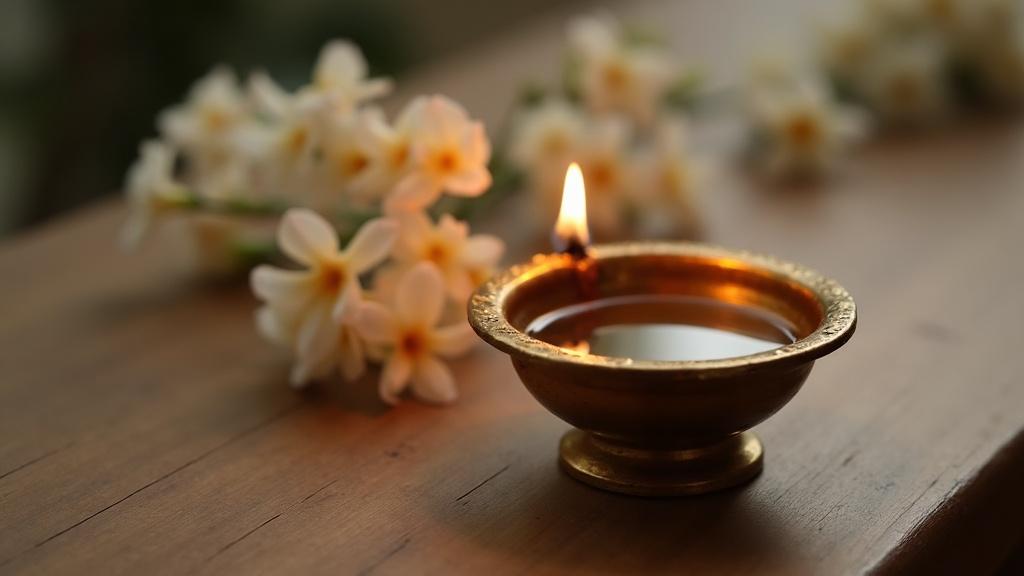
For families living in Toronto or New Jersey, far from the Ganges or a family temple, the practice adapts. A simple offering at home—water in a copper vessel, white flowers, a lamp—is sufficient. The intention matters more than the location.
| Remedy | When | What it addresses |
|---|---|---|
| Shraddha on amavasya | Monthly new moon | Ongoing remembrance |
| Pitru Paksha observances | Ashwin Krishna Paksha | Annual reconciliation |
| Feeding Brahmins or the poor | Death anniversary or amavasya | Generosity in ancestors' name |
| Donating to temples or schools | Any auspicious day | Merit transferred to lineage |
| Reciting Garuda Purana or Pitru Suktam | Daily or weekly | Scriptural connection |
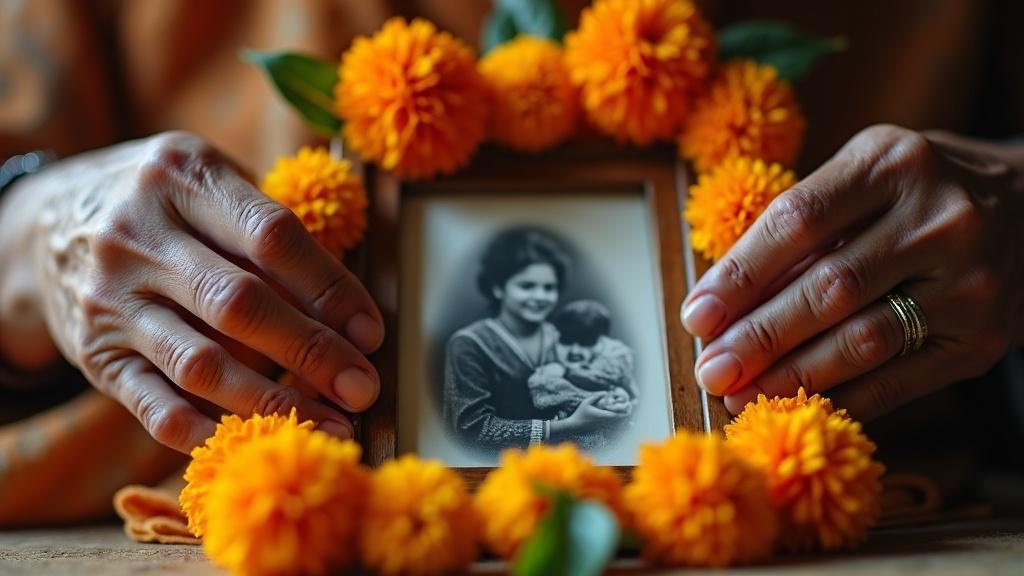
Charity is emphasized. Feeding the hungry, supporting education, giving to those who serve the community—these acts are said to reach the ancestors. The tradition also recommends planting trees, especially banyan or peepal, which live long and shelter many.
What remedies cannot do
No remedy guarantees a specific outcome. Performing shraddha does not ensure a promotion, a marriage proposal or a child. It restores balance. It acknowledges debt. It keeps memory alive. The tradition is clear: these practices support well-being, but they do not override medical, legal or financial realities. If you are unwell, see a doctor. If you face a legal matter, consult a lawyer.
Some astrologers recommend gemstones for pitra dosha, typically hessonite for Rahu. Others suggest mantras, particularly the Maha Mrityunjaya or simple recitation of ancestors' names. These may be helpful, but they are not substitutes for the relational work—the remembering, the honoring, the mending of what was broken.
Living with the condition
Pitra dosha is not a life sentence. Many people carry it and live well. The question is whether you acknowledge it. A chart is a map, not a mandate. Knowing the condition allows you to act. You can observe Pitru Paksha even if your parents did not. You can learn the names of your great-grandparents. You can tell your children where they came from.
In an apartment in New Jersey, far from the village where your grandparents were born, this can feel abstract. But the practice grounds you. It says: you are not the first. You will not be the last. What you do matters to those who came before and those who will come after.
Our products page includes consultations that can clarify whether your chart shows pitra dosha and what the specific remedies might be. But the essence is simple. Remember. Honor. Continue.
A practice, not a fix
The remedies for pitra dosha are not one-time fixes. They are a practice, like prayer or like calling your mother. You do them because the relationship matters, not because you expect something in return. Over time, the practice itself becomes the benefit. You feel connected. You feel less alone. You feel part of something that does not end with you.
This is what the ancestors are owed: not fear, not guilt, but presence. The dosha is the chart's way of asking, have you forgotten? And the remedies are the tradition's way of showing you how to remember.