
Walk through ten homes in Brampton or Edison and you will find the same three mistakes: a mirror catching the front door, a cactus on the bedroom windowsill, a tabletop fountain placed wherever it fit. These are not catastrophes. They are ordinary choices made without the directional grammar that vastu provides, and they are simple to correct once you know what the shastra actually says.
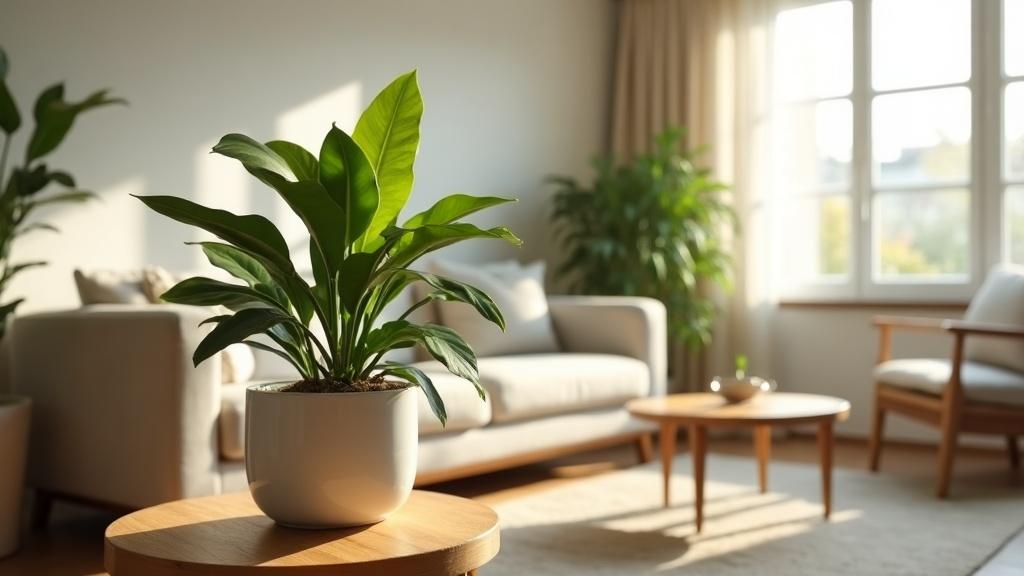
Why direction matters for living things
Vastu treats a building as a living field in which the five elements occupy specific zones. The northeast belongs to water and new beginnings, the southeast to fire and transformation, the northwest to air and movement, the southwest to earth and stability. A plant is not inert furniture. It grows, it breathes, it alters the moisture and energy of the space it occupies. Placing it without regard to direction is like planting tomatoes in full shade and wondering why they struggle.
The question is not whether a rule is superstitious, but whether it reflects an observable pattern. Heavy, slow-growing plants do anchor the southwest. Flowing water does cool and refresh the northeast. The tradition simply named what worked.
The five plants that belong indoors and where to put them
| Plant | Direction | Reason |
|---|---|---|
| Money plant, pothos | North, east | Fast climbers that support flow and growth |
| Tulsi, holy basil | North, east, northeast | Sacred, purifying, needs morning light |
| Bamboo | East, southeast | Represents resilience, tolerates indirect light |
| Areca palm, rubber plant | Southeast, east | Broad leaves, air-purifying, stable |
| Jade, snake plant | West, southwest | Slow-growing, anchoring, low water |
Avoid cactus, bonsai, thorny roses and plants that ooze milky sap indoors. They represent restriction or bitterness in the tradition, and they make a small apartment feel smaller. If you inherited a cactus collection, keep it on an outdoor balcony facing west.
What the tradition says about mirrors
A mirror doubles what it reflects. Placed opposite the main door, it sends entering energy straight back out. Placed facing the bed, it disrupts rest—some lineages say it reflects worry back at the sleeper, others simply note that a reflective surface across from you prevents the eye from settling. Both arrive at the same advice: hang mirrors on the north or east walls of a room, never directly opposite a door or a bed.
In a narrow Toronto hallway where every inch counts, a mirror on the north wall lengthens the space without pushing energy away. This is not magic. It is an old and reliable grammar for arranging a home so that it feels open rather than conflicted.
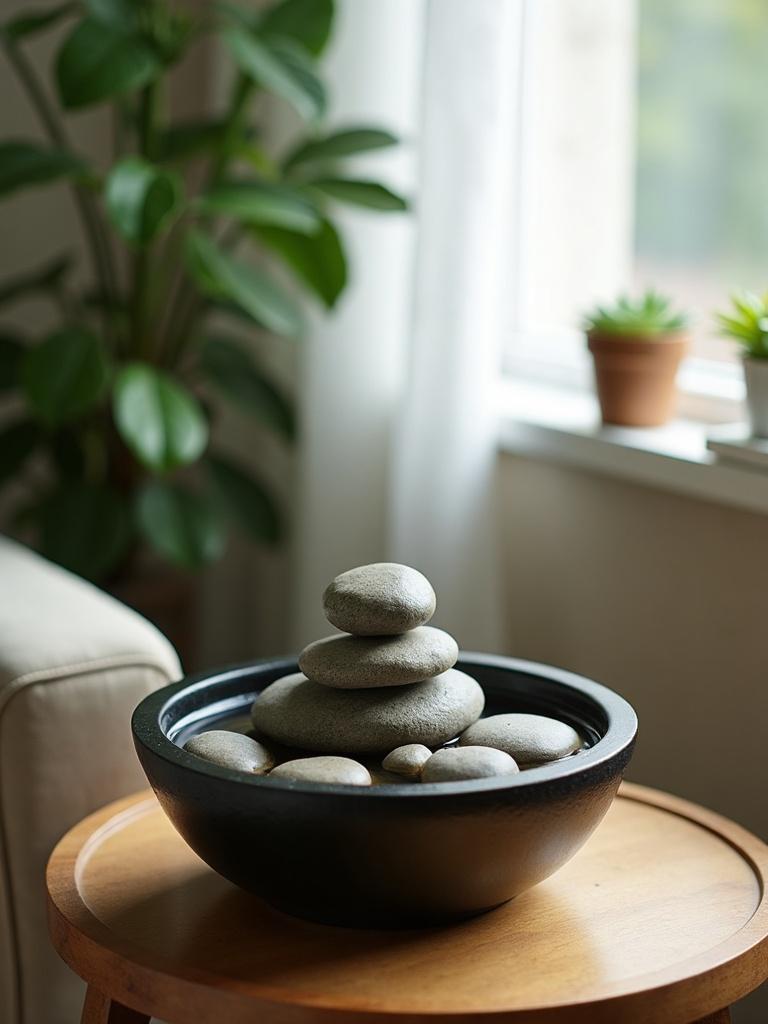
Fountains, aquariums and the northeast corner
Water features belong in the north, northeast or east. The northeast is ideal—it is the ishanya corner, associated with clarity and wisdom, and a gentle flow of water there supports both. A fountain in the southeast, the fire zone, creates elemental opposition. It will not cause disaster, but it sets up a low-grade friction, the way a dripping tap bothers you without your knowing why.
If you live in a one-bedroom apartment and the northeast is your closet, place a small fountain on a table in the north section of your living room. Keep the water clean and the pump running. A stagnant fountain is worse than none. If maintenance is hard, a painting of flowing water serves the same symbolic purpose.
The mirror myths that will not die
You will read that a mirror in the dining room doubles abundance, that a mirror facing a window lets wealth escape, that a broken mirror brings years of misfortune. None of this appears in the classical texts. Vastu describes mirrors as reflective surfaces that extend space and light. Use them to brighten a dark corner or make a narrow room feel wider. Do not hang them opposite doors or beds. That is the whole of it.
Regional customs add layers—some families cover mirrors during mourning, others avoid them in prayer rooms—but these are cultural practices, not structural rules. If your tradition includes them, honor them. If not, the directional guidelines are enough.
How to fix what is already in place
You do not need to replant a garden or rehang every frame. Start with the front entrance. If a mirror faces the door, move it to an adjacent wall. If a cactus sits in the bedroom, relocate it to the balcony or give it to a friend with a yard. If the fountain is in the southeast, shift it to a northeast shelf or switch it off and replace it with a live plant in a blue pot.
These are small adjustments. They cost nothing and they remove a source of background static. For a full review of your apartment or house, the Vastu page describes the directional system in detail, and the Vastu Studio service provides a room-by-room consultation over a video call, which works well when you are far from family and want guidance that respects both the tradition and the reality of a two-bedroom rental.
What remains when the rules are clear
A home arranged with attention to direction does not become perfect. It becomes easier to live in. The mirror no longer bothers you. The plants thrive instead of wilting. The fountain hums quietly in a corner that feels right. This is what the shastra offers: not a promise, but a set of proportions that have steadied households for a very long time.