
Your rashi tells you which sign the Moon occupied when you were born. Your nakshatra tells you where in that sign. The difference matters. Two people born under Cancer may share emotional depth, but one born in Pushya will express care through structure and nourishment, while one born in Ashlesha will probe hidden motives and protect fiercely. The nakshatra is the finer lens.
The word nakshatra combines naksha, a map or constellation, and tra, to guard or protect. Ancient astronomers divided the ecliptic into twenty-seven equal segments of thirteen degrees twenty minutes each, marking the Moon's daily journey against the stars. Each segment became home to a deity, a symbol, a ruling planet and a set of qualities passed to those born under its light. You can see your birth nakshatra on your free Kundli chart, and the current nakshatra changes daily in the Panchang.
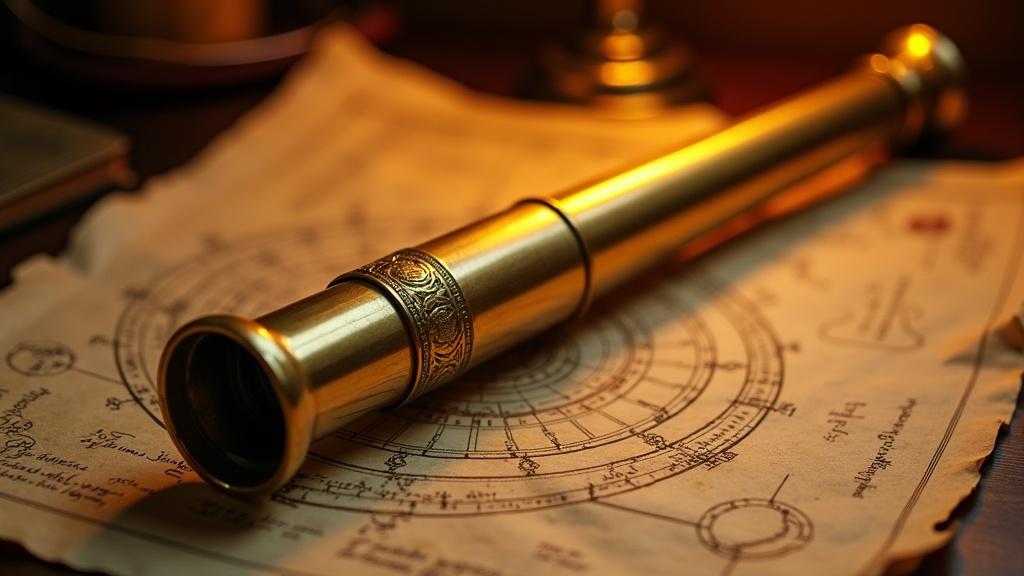
How the nakshatra system works
The Moon completes one orbit of the zodiac in roughly twenty-seven days, spending about one day in each nakshatra. Because these divisions are finer than the twelve rashis, they capture subtleties of temperament and timing that signs alone miss. Each nakshatra belongs to one of four padas, or quarters, and each pada falls into a different rashi navamsa, adding another layer of detail.
Every nakshatra has a presiding devata, a deity whose nature colours the star. Ashwini is ruled by the Ashwini Kumaras, celestial physicians who bring speed and healing. Bharani is ruled by Yama, the god of death and dharma, bringing the capacity to hold and transform. Rohini is ruled by Prajapati, the creator, and those born here often create beauty or abundance.
Each nakshatra also has a nakshatra lord, one of the nine grahas cycling in a repeating sequence: Ketu, Shukra, Ravi, Chandra, Mangal, Rahu, Guru, Shani, Budh. This lord influences dasha periods and compatibility.
The three groups of nine
Scholars often divide the twenty-seven nakshatras into three groups of nine, each governing a stage of growth. The first nine, from Ashwini to Ashlesha, deal with instinct, survival and the formation of self. The second nine, from Magha to Jyeshtha, concern power, relationship and social identity. The final nine, from Mula to Revati, address transformation, release and transcendence.
This is not rigid. A person born in Revati may still wrestle with survival, and someone born in Ashwini may carry old-soul wisdom. But the grouping offers a useful frame.
Nakshatra and personality
Your birth nakshatra, also called janma nakshatra, shapes how you think, what you notice and how you respond under pressure. Hasta natives often have skillful hands and an eye for craft. Uttara Phalguni people tend toward loyalty and enjoy supporting others in practical ways. Shatabhisha natives question convention and may feel drawn to healing or science.
The nakshatra also colours relationships. Anuradha, ruled by Mitra the friend, creates people who build lasting bonds. Vishakha, ruled by Indra and Agni, creates people who pursue goals with single-minded focus, sometimes at the cost of ease.
Nakshatra compatibility and matching
In marriage matching, nakshatra compatibility carries significant weight. The system examines several factors: nakshatra koota in the ashtakoota system awards up to eight points based on the relationship between the two birth stars. Certain nakshatras are considered naturally difficult pairs, while others support one another.
Beyond points, astrologers look at whether the couple's nakshatras fall into friendly, neutral or hostile groups, and whether they share the same nakshatra lord or yoni, the symbolic animal associated with each star. A match between two people with the same yoni, such as two born under elephant nakshatras, may bring familiarity but also stubborn clashes.
Common nakshatra groups you will encounter
| Group | Nakshatras | Quality |
|---|---|---|
| Deva (divine) | Ashwini, Mrigashira, Punarvasu, Pushya, Hasta, Swati, Anuradha, Shravana, Revati | Sattvic, inclined toward harmony and growth |
| Manushya (human) | Bharani, Rohini, Ardra, Purva Phalguni, Uttara Phalguni, Purva Ashadha, Uttara Ashadha, Purva Bhadrapada, Uttara Bhadrapada | Rajasic, balanced, worldly |
| Rakshasa (demonic) | Krittika, Ashlesha, Magha, Chitra, Vishakha, Jyeshtha, Mula, Dhanishta, Shatabhisha | Tamasic, intense, protective or disruptive |
These categories describe energy, not morality. Rakshasa nakshatras are not evil; they guard, challenge and transform.
Working with your nakshatra
Knowing your nakshatra helps you understand recurring themes in your life. If you were born under Krittika, you may notice a pattern of cutting away what no longer serves, even when it hurts. If you were born under Punarvasu, you may find that you return and rebuild after every loss.
Many people new to Jyotish begin by reading about their Moon sign and only later discover that their nakshatra explains what the rashi could not. The nakshatra is especially important during Moon dashas and during transits that aspect your natal Moon.
Tradition offers remedies tied to nakshatra: mantras to the presiding deity, fasting on the day ruled by the nakshatra lord, or charity reflecting the nakshatra's symbolism. These are practices of alignment, not bargains. They work by turning your attention toward the quality you wish to strengthen.
Using nakshatra in daily life
The nakshatra of the day, visible in any panchang, influences the quality of time. Ashwini days favour new beginnings and healing work. Magha days suit honoring ancestors or assuming responsibility. Revati days are gentle, good for completion and rest.
Many families in the diaspora check the nakshatra before scheduling a wedding, a surgery or a business launch, even when a full muhurta is not possible. It is one thread of connection to a rhythm older than borders.