
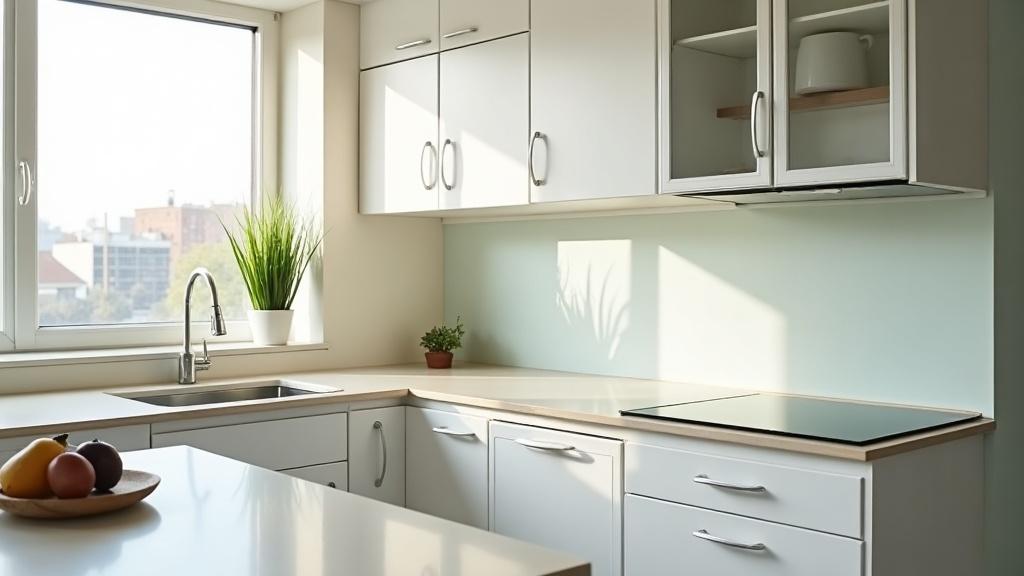
A family moves into a Toronto condominium and discovers the main entrance faces south-west, traditionally the direction of the ancestor deity Pitru. The kitchen sits in the north-east, the zone of water and new beginnings. The building is thirty years old, the layout governed by fire codes and shared plumbing. Renovation is not an option. What remains is not despair but a different set of tools.
What Makes a Defect Structural
Vastu shastra divides a dwelling into zones ruled by the eight directions and their deities, with the centre as Brahma's seat. Structural defects involve the placement of heavy, permanent elements: the main door, load-bearing walls, staircases, bathrooms over the puja room, or the slope of the land itself. In a rented flat or a mortgaged house where the owner cannot move walls, these conditions persist. A missing corner—where the plot is L-shaped and the north-east is cut away—cannot be filled in if you do not own the adjoining land. These are the defects that call for remedies other than the saw and trowel.
Directional Reallocation of Activity
The oldest remedy is to change what happens in a room, not the room itself. If the kitchen must remain in the north-east, cook on the south-east corner of that kitchen's stove, invoking Agni in his proper quarter even within a compromised space. If the master bedroom falls in the south-east, sleep with your head to the south or west, and keep the room cool to reduce the fire element's agitation. A home office in the north can be improved by placing your desk so you face east or north while working, and keeping reference books in the south-west corner to anchor the space.
Symbolic and Material Interventions
When walls cannot move, tradition allows lighter corrections. A mirror on the north wall of a cramped north room is said to extend the space symbolically, though not all schools agree. A partition—a folding screen, a tall bookshelf—can separate a bathroom door from direct sightline to the entrance. Brass or copper pyramids, their dimensions derived from classical proportions, are sometimes placed above doorways or in the centre of the ceiling; the Mayamata and Manasara texts describe geometric yantras for this purpose, though their application to modern apartments is a later adaptation. Indoor plants in the north-east honour the water element, especially money plant or tulsi. These are not repairs but acknowledgments.
Remedies Involving Light, Colour and the Elements
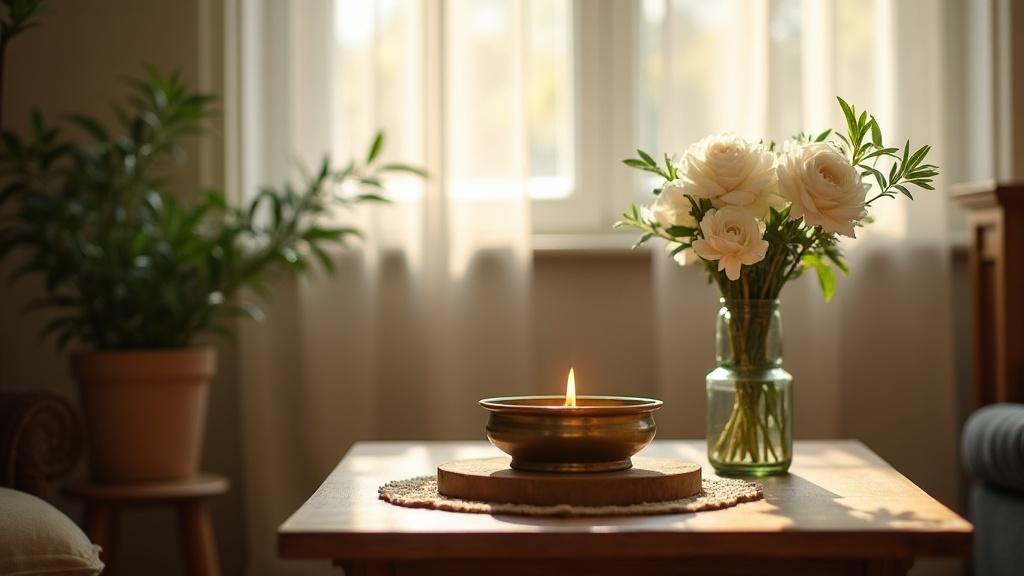
Classical texts link each direction to a colour and element. If the south-west is weakened—say, by a large window where a solid wall would be preferred—heavy curtains in earthy tones, terracotta or ochre, can provide symbolic weight. A small oil lamp kept burning in the north-east at dusk is a practice mentioned in the Vishvakarma Prakash for purifying that corner. The principle is to strengthen a weak zone or cool an overheated one using materials and light rather than masonry. In a basement flat with little natural light in the north, a full-spectrum bulb and a mirror can help, though no text promises this will reverse a structural flaw.
The Limits of Remedy and the Role of Acceptance
Vastu shastra was written for patrons who could commission buildings from the ground. The remedies for existing defects appear mostly in later commentaries and regional practice, and they vary. Some pandits recommend a Vastu Shanti puja, a ritual invocation of the directional deities and the Vastu Purusha, performed to acknowledge the imbalance and ask for mitigation. Others prescribe daily recitation of the Vastu mantra. None of these practices claims to undo the defect. They are a form of spiritual housekeeping, a way of living consciously within imperfection. The Golden Kundli Vastu service and Vastu Studio can help identify which defects are structural and which are matters of arrangement.
A Practice for the Long Term
If you cannot rebuild, you can still tend. Keep the centre of the home uncluttered. Ensure the north-east is the cleanest, lightest part of the dwelling. Observe the small rituals that root you: lighting a lamp, opening east-facing windows at sunrise, placing water in the north-east each morning. These acts do not reverse the architecture, but they build a relationship with the space that is deliberate and awake.
| Defect | Structural Remedy | Non-Structural Alternative |
|---|---|---|
| Kitchen in north-east | Relocate kitchen | Cook on south-east corner of stove; keep area very clean |
| Main door in south-west | Rebuild entrance | Use north or east side door as primary entry when possible |
| Bathroom over puja room | Replumb and relocate | Move puja to another room; seal and tile bathroom floor |
| Missing north-east corner (plot) | Purchase adjacent land | Plant tulsi or place water feature in available north-east |
| Staircase in centre | Rebuild staircase | Keep area well-lit; avoid storage underneath |
When the Building Must Be Enough
Not every defect has a remedy, and not every remedy works as hoped. A flat whose entire footprint is skewed off the cardinal directions, a house on a severe slope, a plot with a highway overpass to the north-east—these may simply be difficult environments, and the tradition is honest about that. In such cases, the practice becomes one of mitigation and grace: do what can be done, accept what cannot, and remember that vastu is one thread in a life, not the whole weave.