
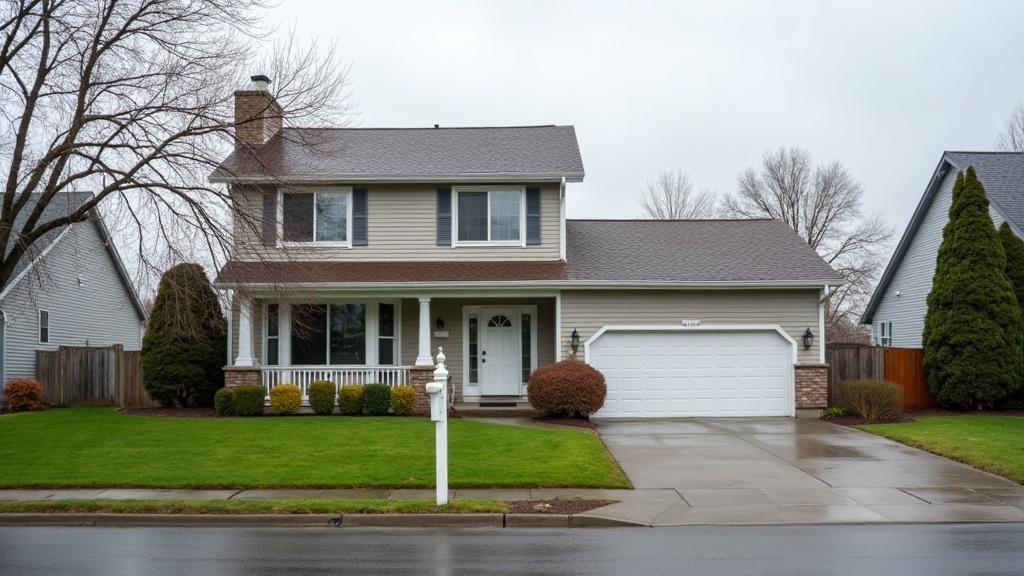
Most vastu texts describe homes built around courtyards, with kitchens in detached structures and sleeping quarters facing specific cardinal points. A townhouse in Mississauga or a ranch in Fremont rarely offers that geometry. The question is not whether vastu applies, but how to apply what matters when the form is different.
The principles that travel
Vastu rests on the idea that a building is a living field, with lighter energies gathering in the northeast and heavier, more active energies in the south and west. Sunlight, slope, the placement of weight and openness all shape how a home feels. These dynamics do not change when you cross an ocean. What changes is the floor plan, the lot size, the presence of a basement, the width of streets, and the fact that most North American homes were designed without any of this in mind.
What a North American floor plan does differently
Open-concept layouts merge kitchen, dining and living spaces. Basements add a second ground level, often used for bedrooms or family rooms. Garages attach to the main structure. Staircases sit in the centre. Bedrooms cluster on a second floor with no regard for direction. Lot orientation follows the street grid, not the cardinal points, so a northeast-facing plot is accidental, not standard.
| Vastu expectation | North American reality |
|---|---|
| Kitchen in southeast corner | Kitchen often northwest or along any exterior wall |
| Master bedroom in southwest | Bedrooms distributed by size and plumbing, not direction |
| Northeast kept light and open | Northeast may hold a garage, stairs or powder room |
| No basement | Basement is standard, sometimes a primary living area |
| Courtyard or central open space | Centre often occupied by staircase or hallway |
Working with direction when you cannot move walls
If the kitchen sits in the northwest, you cannot relocate it. But you can place the stove along the southeast wall of that kitchen, so the cook faces east. If the master bedroom is in the north, keep the bed in the southwest corner of that room, with the headboard south or west. The principle scales: apply it to the room you have, not the room the text imagines.
For those using our vastu service, a consultation can map your actual floor plan and show where the directional qualities fall inside each room, so you work with layers instead of absolutes.
The northeast in a split-level or bungalow
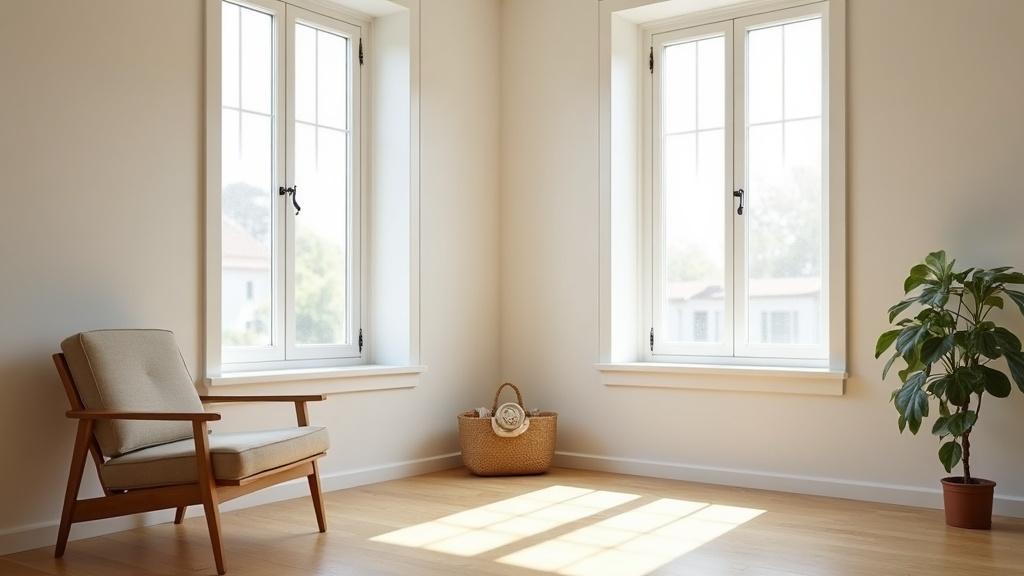
The northeast should be the lightest, least obstructed part of the home. In a North American house this may mean keeping that corner free of heavy furniture, using it for a reading nook or prayer space, or at minimum not storing dense, dark objects there. If a garage occupies the northeast, keep it organized and well-lit. If a basement extends under that corner, use it for something quiet rather than a home theatre or laundry with constant vibration.
Basements and the question of sleeping below grade
Vastu generally discourages sleeping in a basement because it places you below the earth plane, surrounded by foundation walls. In Toronto or Minneapolis, where basements are finished and sometimes the only affordable bedroom space, this is not always avoidable. If you must sleep there, choose the southwest corner of the basement, keep the space dry and well-ventilated, bring in full-spectrum light, and avoid clutter. A basement used for storage, exercise or a workshop raises fewer concerns than one used for rest.
When the front door does not face east
Many vastu guides say the main entrance should face north or east. Most North American homes face the street, which may run any direction. You cannot reorient the house. Instead, keep the entrance well-lit, unobstructed and welcoming. If it opens into a dark hallway, add light. If it faces a staircase, place a plant or a small table between the door and the stairs to slow the energy. The principle is threshold clarity, not compass dogma.
Our vastu studio page describes how a detailed plan review can identify which entrance, window or interior doorway best serves as the functional threshold, even when the formal front door is fixed.
Remedies that make sense here
A remedy in vastu is an adjustment, not magic. If the northeast is cluttered, clearing it is the remedy. If the master bedroom sits in the northeast and cannot be moved, using the southwest corner of that room for the bed is the adjustment. Remedies that ask you to bury objects, paint entire walls a specific colour, or install permanent fixtures should be weighed carefully, especially in a rental or a home you may sell. Small, reversible changes—a lamp, a plant, a mirror, a rearrangement of furniture—are nearly always enough.
Applying the lens without force
Vastu is a way of seeing, not a code that voids your home if one wall is wrong. In North America, where you may rent, where you chose the house for the school district or the commute, where the builder never heard of Varahamihira, the practice is to understand the principle and apply it where you can. Some days that means moving a desk. Some days it means accepting that the laundry is in the northeast and keeping it tidy. The tradition is old, but it has always lived in the real world.