🪔 Sacred Reading Hall
Plain-English articles on Kundli, Vastu, numerology, marriage, family, vehicles, children, business, education, and more — for Indians and NRIs worldwide.
52 articles published
Editor's Picks
Kundli, Jathakam, Jathagam, Jataka, Kushti, Janmakshar, Teva — they are all different regional names for the exact same personal birth chart. This guide maps every term clearly, so no one in your family ever gets confused again.
A Kundli is your personal cosmic map — built from your birth details. Here is exactly what it contains, why it matters, and how to use it — in plain English, for Indians and NRIs worldwide.
Browse by Topic

The nakshatra naming tradition, usually applied to children, can also guide you toward a name that feels right for a pet—without superstition, without pressure.

Samudrika Shastra, the Vedic science of body marks, has long read moles on the face as indicators of temperament, fortune and character. Here is what the tradition actually teaches.

Vastu shastra offers guidance on where pets should rest, eat and play within the home. These principles balance the animal's comfort with the household's energy flow.

Palmistry and face reading both belong to Samudrika Shastra, yet they look at different layers of character and timing. Here is what each does well and where they meet.

Samudrika Shastra observes the eyes not for fortune-telling but to read temperament, energy and how someone engages with the world around them.

In face reading, the nose governs the middle years of life and shows how we accumulate resources, assert ourselves and navigate the world between youth and old age.

Samudrika Shastra reads character and temperament from the face, body and hands. It is one of the six Vedangas, rooted in observation rather than mysticism.

Samudrika Shastra, the Vedic science of physiognomy, regards the forehead as a mirror of intellect, fortune and the capacity for sustained thought. This guide explains what width, lines and proportion are traditionally believed to reveal.

Living rooms with mirrors facing the wrong way, money plants climbing in the south, fountains running dry—these are the vastu missteps that happen in nearly every home, and they are easier to fix than you think.

Before you sign on a house, a short vastu walk-through can help you understand how the space supports daily life. This checklist covers the features that matter most in North American homes.

Many vastu defects lie in the bones of a building—its orientation, its plot shape, the placement of load-bearing walls. When renovation is impossible, tradition offers other paths.

Working from home brings Vastu into the smallest rooms. Learn where to sit, how to arrange screens and storage, and why clutter matters more than you think.

Vastu shastra offers clear guidance on which direction to face while sleeping, rooted in the Earth's magnetic field and the flow of prana. Here is what the tradition actually says and how to apply it in a modern home.
Most apartments in North America offer one corner, not a separate room. This guide shows how to apply vastu principles when space is measured in feet, not rooms.

Classical vastu places the kitchen in the south-east corner, aligned with Agni. When your apartment floor plan makes that impossible, tradition offers adjustments that honour the principle without demanding a renovation.

The main door is not just an entrance—it is the mouth of the dwelling, where energy, light and opportunity flow in. Vastu Shastra has precise guidelines about direction, proportion and placement.

Vastu shastra was written for courtyard homes in India. Here is how to work with its principles in a Canadian split-level or American ranch without forcing what does not fit.

Numerology offers guidance on business names, but your brand identity matters too. This article shows how to honor both without compromise.

In Vedic numerology, the number on your door is thought to shape the atmosphere inside. Here is what the tradition teaches about each digit and how families adapt the practice abroad.
Numerology and Jyotish both come from Vedic tradition, but they read different languages—one counts, the other watches the sky. Here is where they meet and where they part.

Master numbers are not prizes. They mark a life path of heightened responsibility, internal tension and the weight of potential that must be lived up to, not simply enjoyed.

Changing the spelling of your name alters its numerological value, but whether that shift matters depends on what you believe drives your life and how consistently you use the new form.

Vedic numerology assigns a psychic number and destiny number from your birth date. Here is what those numbers mean, how they are calculated, and what tradition says they can and cannot do.
These two numbers appear in every numerology reading, but they measure different things. One comes from your birth date, the other from your name, and understanding both gives you the complete picture.

Your life path number distills your birth date into a single digit that describes the central theme of your journey. Here is how to find it and what each number asks of you.

Yogas are planetary combinations that shape a chart's character. This guide explains what the classical yogas mean, how they form, and how to read them without exaggeration.

Griha pravesh muhurat is the auspicious timing for entering a new home. This article explains the panchang elements, planetary considerations, and practical steps for families choosing their entry date.

Vedic tradition assigns specific syllables to each of the twenty-seven nakshatras, offering parents a way to choose a name that honours the moment of birth and the qualities it carries.
Jupiter spends roughly a year in each sign, reshaping the houses it touches. Learn what Guru Peyarchi means for your Moon rashi and how to work with this gentle giant's movement.

Pitra dosha arises when we forget those who came before us. This article explains what the condition means in Vedic astrology, how to recognize it, and the traditional practices that restore balance.

Saturn's transit through each house of your chart lasts roughly two and a half years, bringing lessons in discipline, structure and maturity. Here is how to read its movement and what to expect.

Abhijit muhurat is a brief daily window considered naturally auspicious, used when finding a full muhurtham is impractical or when time is short.

Manglik dosha is one of the most discussed factors in Vedic matchmaking. This article explains what the classical texts say, when the condition cancels itself, and how to approach it without fear.
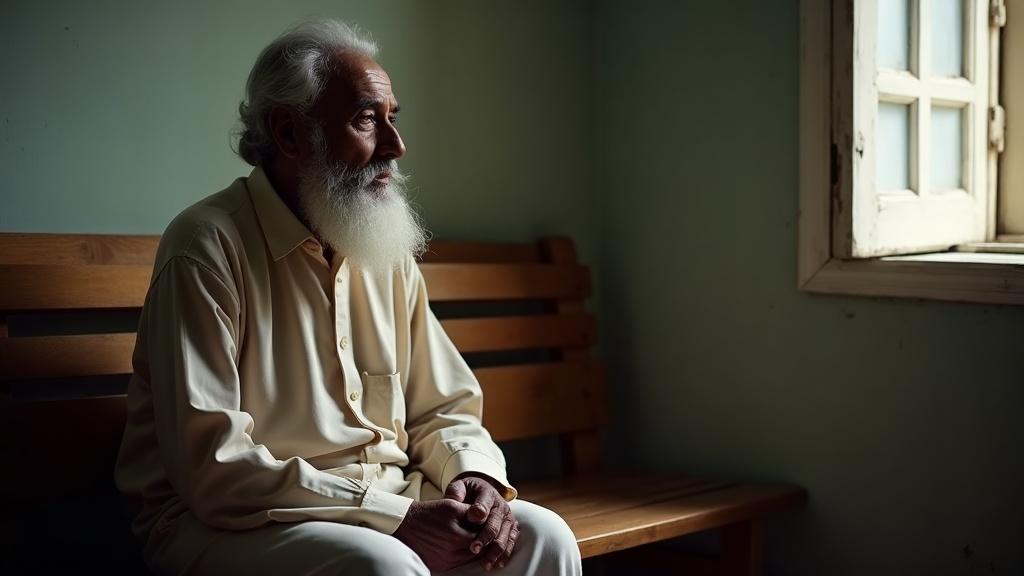
Sade Sati marks seven and a half years when Saturn crosses your Moon sign and the houses before and after it. The period is about discipline, not disaster.

If you were born under Leo in Western astrology but your Vedic chart shows Cancer, you have encountered ayanamsa—the technical adjustment that accounts for the slow shift of Earth's axis over millennia.
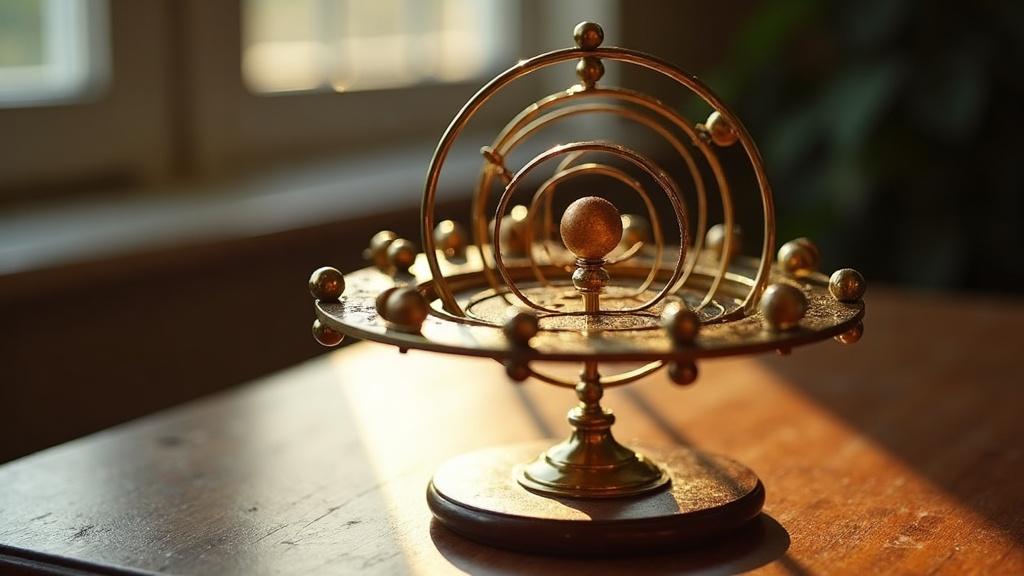
Western astrology often frames Mercury retrograde as a time of disruption. Vedic astrology sees Vakri Budha as a planet turned inward, offering depth and second chances rather than chaos.

An accurate birth time is essential for most Vedic astrology, but not every reading is lost when the clock is missing. This article explains what remains possible and what does not.

A kundli prepared without the correct birth time zone, longitude and latitude can place planets in the wrong houses or even the wrong signs. Here is what to verify when you were born in North America, the Gulf or elsewhere outside India.
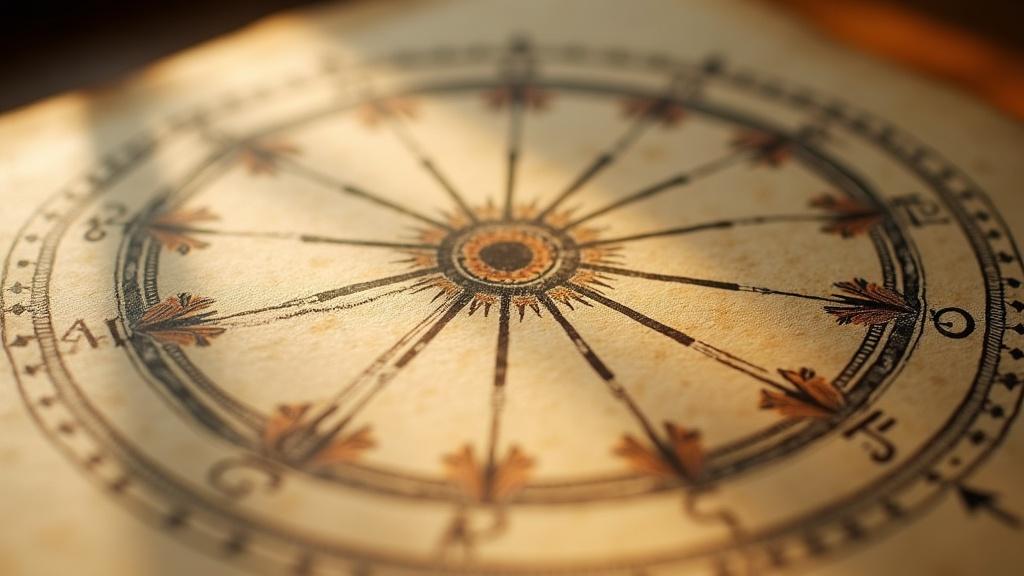
The navamsa is the ninth divisional chart in Vedic astrology, showing the underlying strength of planets and the quality of relationships. It is consulted alongside the birth chart in every serious reading.

Gemstones in Vedic astrology are prescribed remedies, not ornaments. This guide explains which stone corresponds to each planet, how they are chosen, and when tradition advises against wearing one at all.
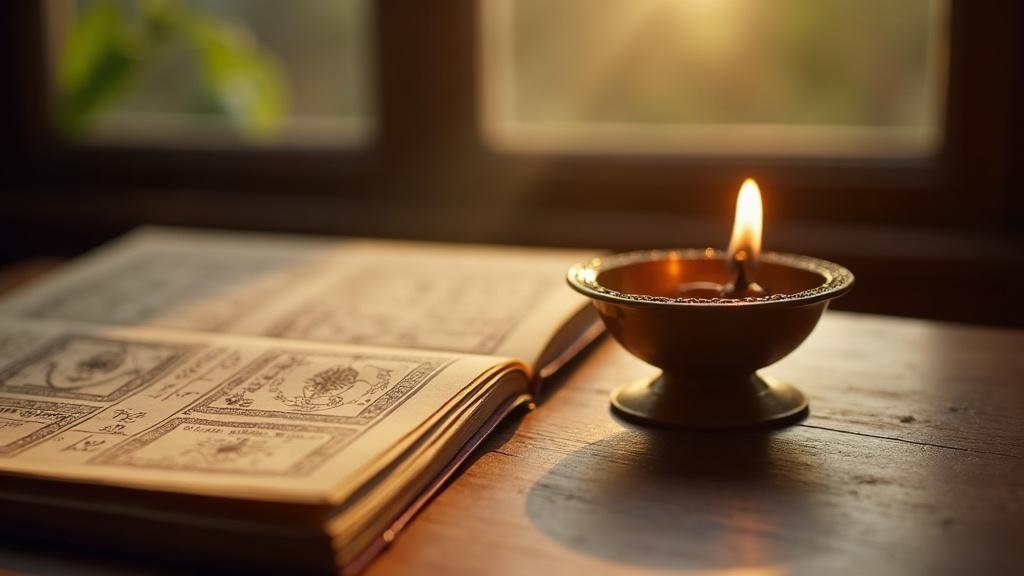
Kaal Sarp Dosha is one of the most talked-about conditions in modern astrology, yet classical texts barely mention it. Here is what the shastra actually says, and what it does not.
Choghadiya divides each day into eight periods, four good and four to avoid, giving families a simple way to time routine decisions when a full muhurta calculation is not needed.
The Hindu calendar measures time by the moon's relationship to the sun, creating a lunar day that begins at sunrise and can last anywhere from nineteen to twenty-six hours.

Brahma muhurta is the period roughly ninety minutes before sunrise, considered the most auspicious time for spiritual practice. Here is how to find it in your time zone and what tradition suggests doing with it.
The 36-guna system assigns points across eight categories of compatibility. This article explains what each kuta measures, how points are awarded, and what the traditional thresholds mean.

Ekadashi occurs twice each lunar month and is observed by fasting from grains and certain vegetables. This guide explains the tradition, the rules, and the timing.
Western astrology centres on the sun sign, but Vedic tradition gives primacy to the lagna, or rising sign. Each of the three reveals a different layer of who you are.
Vimshottari Dasha is the clock of Vedic astrology, dividing your life into planetary seasons. Learn how to read the timeline and what each period asks of you.
Your nakshatra, or birth star, is the lunar mansion the Moon occupied at your birth. It reveals qualities that rashi alone cannot show.

Rahu kaal is a daily ninety-minute window traditionally avoided for starting important work. This guide explains the astronomy behind it, how to find it for your city, and when it actually applies.
Kundli, Jathakam, Jathagam, Jataka, Kushti, Janmakshar, Teva — they are all different regional names for the exact same personal birth chart. This guide maps every term clearly, so no one in your family ever gets confused again.
A Kundli is your personal cosmic map — built from your birth details. Here is exactly what it contains, why it matters, and how to use it — in plain English, for Indians and NRIs worldwide.
Guided Entry
Choose what matters to you most right now.
🪔
These articles are a starting point. Your free Mini Granth goes deeper — built from your exact birth details, not a generic template.